The short answer
Start with what
matters most.
Start with the destination and the activities you are physically comfortable doing. Then compare the operator's ship, expedition team, landing or excursion plan, equipment, medical requirements, weather flexibility, insurance rules, and complete price. Wildlife, landings, routes, and conditions cannot be guaranteed, so choose a trip whose overall experience still works if the plan changes.
Ask us to compare optionsSide-by-side
Adventure is not one product
These categories can overlap. Read the exact itinerary and operator details before treating a sailing as an expedition.
| Format | Typical focus | Possible tradeoff | Verify |
|---|---|---|---|
| Expedition ship | Remote places, expert-led observation, and flexible operations | Landings and activities depend on conditions | Team, vessels, included activities, gear, and medical rules |
| Small-ship adventure | Active ports and closer destination access | Fewer onboard amenities or more motion | Ship size, stabilizers, stairs, tendering, and pace |
| Mainstream scenic itinerary | Destination views with broader resort-style amenities | Less landing access or specialist programming | Port times, scenic cruising, excursions, and crowd size |
| Luxury expedition | Expedition access with higher service and comfort | Higher price and optional activities may still cost extra | Inclusions, activity limits, cancellation, and insurance |
Read the activity descriptions literally
A landing may involve steps, uneven ground, wet surfaces, cold, heat, altitude, small boats, or transferring between moving platforms. Ask what independent mobility is required.
Choose activities for your present ability, not the version of yourself you hope will appear on vacation.
- Walking distance, terrain, and elevation
- Wet or dry landings
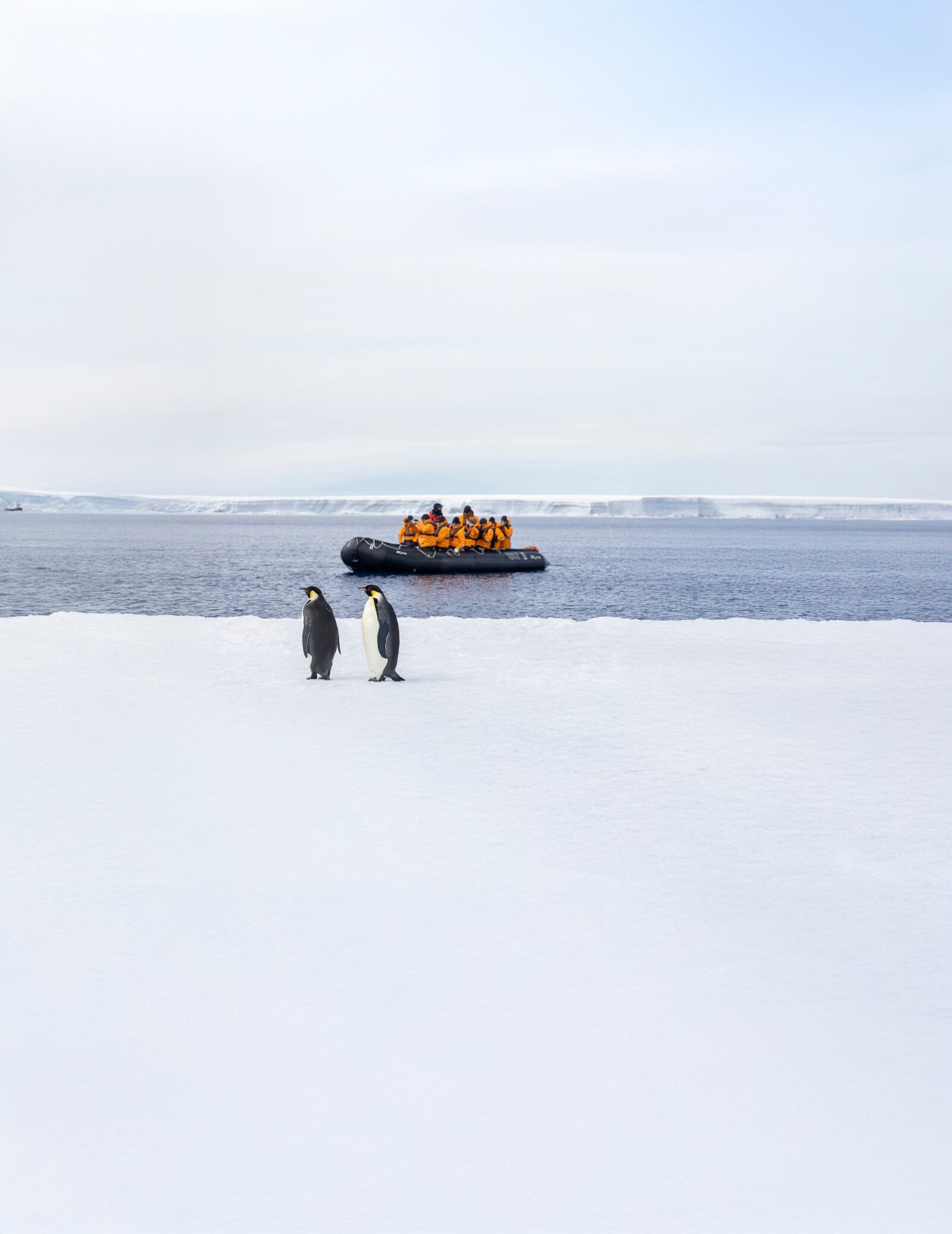
- Small-boat or Zodiac transfers
- Kayaking, hiking, snorkeling, or submersible rules
- Maximum weight, age, and medical limitations
Expect the plan to change
Weather, ice, wildlife, sea state, port operations, and local authorities can change an expedition day. A capable team may substitute another safe option, but no specific sighting or landing is guaranteed.
If one named experience is the only reason you would take the trip, understand the risk before paying a nonrefundable amount.
Compare what is included
Some fares include specialist guides, equipment, selected excursions, drinks, gratuities, or charter flights; others separate them. Optional high-cost activities may have limited capacity.
Price flights, hotels, transfers, gear, visas, permits, insurance, tips, and the operator's required arrangements alongside the cruise fare.
Treat gear as safety equipment
Packing lists are based on destination conditions and operator procedures. Confirm what is loaned, what is yours to keep, size availability, and what you must bring.
Do not rely on generic cruise packing advice for polar, tropical, high-altitude, or wet-landing itineraries.
Review health and insurance terms
Remote itineraries can be far from advanced medical care. Operators may require medical forms, specific coverage, evacuation insurance, or deadlines.
Discuss medical fitness with an appropriate professional and read the policy exclusions. An advisor can explain trip terms but cannot determine medical suitability or insurance coverage.
Choose the ship after the destination
The ship affects stability, room, dining, observation areas, passenger count, landing operations, and onboard learning. Bigger is not always better, and smaller is not automatically more capable.
Compare the ship and itinerary as one product, including the number of travelers participating in each landing rotation.
Frequently asked
Clear answers
before you choose.
What is an expedition cruise?+
It is generally a destination-led voyage with specialist staff and flexible operations, often using small craft or landings. The exact definition, activities, and inclusions vary by operator.
Do expedition cruises guarantee wildlife sightings?+
No. Wildlife, weather, ice, routes, and landings are unpredictable. Choose a voyage for the complete experience rather than one guaranteed moment.
Do I need to be very fit?+
Requirements vary widely. Some experiences are accessible from the ship while others require transfers, uneven terrain, long walks, or strenuous activity. Review each activity description and medical requirement.
Is travel insurance required?+
Some operators require specific medical, evacuation, or trip coverage. Even when not required, evaluate the financial and remote-medical risks and confirm the policy terms directly.
Are expedition cruises only for Antarctica?+
No. Expedition-style travel can include polar regions and other remote coastal, island, wildlife, and cultural destinations. The ship, rules, and activity plan vary by region.
Planning sources: Seabourn: expedition cruise destinations · U.S. Department of State: before you go
Requirements, terminal assignments, schedules, pricing, and availability can change. Verify the current details for your exact booking.

About the advisor
Guidance from 25 South Travel.
Our team helps you compare cruises, cabins, fares, groups, Interline options, hotels, and the practical details around a trip, in English and Spanish.
Meet 25 South Travel